Best Ways to Freeze Meat Without Losing Quality | Expert Guide
Learn how to freeze meat properly without losing quality. Discover tips to prevent freezer burn, preserve flavor, and keep meat fresh longer.
FOOD STORAGE TIPS
Abdur Rahman
4/17/20265 min read

Why Proper Meat Freezing Is Essential for Quality and Freshness
Freezing meat is one of the most practical ways to preserve freshness, reduce waste, and make meal planning easier. Yet, many people unknowingly damage the quality of their meat during the freezing process. The result? Dry texture, loss of flavor, and that unpleasant “freezer burn” that ruins even the best cuts.
The truth is, freezing meat the right way can preserve its taste, texture, and nutritional value almost perfectly. Whether you’re stocking up on fresh chicken, beef, or seafood, understanding the proper techniques can make a significant difference in your cooking results.
If you’ve ever wondered why frozen meat sometimes doesn’t taste as good as fresh, this guide will walk you through exactly how to freeze meat properly—so every meal still tastes premium.
Why Proper Freezing Matters More Than You Think
Freezing isn’t just about putting meat into a freezer. It’s a preservation method that directly affects the internal structure of the meat.
When meat freezes slowly or is exposed to air, ice crystals form inside the muscle fibers. These crystals can damage the texture, causing the meat to lose moisture when thawed. This is what leads to dry, tough meat after cooking.
On the other hand, when meat is frozen correctly—quickly and securely sealed—it retains its natural juices, tenderness, and flavor. In many cases, properly frozen meat can taste just as good as fresh meat when cooked.
Choosing the Right Meat Before Freezing
The quality of frozen meat starts before it even enters your freezer.
Always begin with the freshest meat possible. If the meat is already close to its expiry or has been sitting in the refrigerator for several days, freezing will not improve its quality—it will only preserve it in that condition.
Fresh, high-quality meat with good color and minimal exposure to air will always freeze better and deliver superior results when thawed.
🔎 Search the Blog
📂 Categories
🔥 Popular Articles
🥩 Fresh Products
📝 Recent Posts
🥩 Fresh Halal Meat & Seafood
We deliver fresh fish, chicken, mutton and beef to your door.
Follow Premium Fresh
The Secret to Preventing Freezer Burn
One of the biggest mistakes people make is improper packaging.
Freezer burn happens when meat is exposed to air, causing dehydration and oxidation. This results in grayish-brown patches, dry texture, and loss of flavor.
To prevent this, the goal is simple: eliminate as much air as possible.
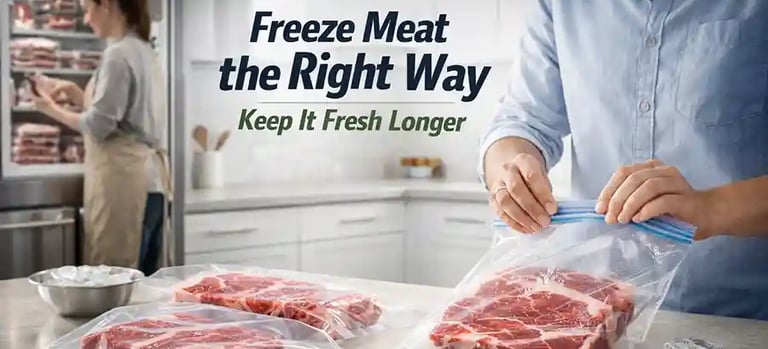
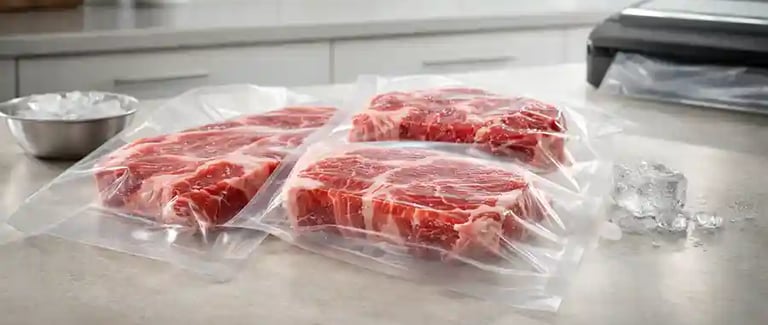
Wrapping meat tightly in plastic wrap, followed by a second layer such as aluminum foil or placing it in airtight freezer bags, creates a strong barrier against air. Vacuum sealing is even better, as it removes nearly all air and locks in freshness for longer periods.
Even a small gap in packaging can affect the quality, so taking a few extra seconds to seal properly makes a noticeable difference.
Portioning Meat Before Freezing
Freezing meat in large bulk portions might seem convenient, but it often leads to unnecessary waste and repeated thawing.
Instead, dividing meat into smaller, meal-sized portions before freezing is a smarter approach. This allows you to thaw only what you need, keeping the rest safely frozen.
Proper portioning also speeds up the freezing process, which helps maintain better texture and quality.
Temperature and Timing – Getting It Right
Your freezer temperature plays a crucial role in preserving meat quality.
A temperature of around -18°C (0°F) or lower is ideal for freezing meat safely. At this level, bacterial growth stops, and the meat remains stable for extended periods.
Timing also matters. Meat should be frozen as soon as possible after purchase to lock in its freshness. Delaying this process increases the risk of quality loss.
Quick freezing helps form smaller ice crystals, which are less damaging to the meat’s structure.
Labeling and Storage Organization
It’s easy to forget how long meat has been stored in the freezer, especially when you stock up regularly.
Labeling each package with the date of freezing and type of meat ensures you always use older items first. This simple habit prevents food waste and keeps your meals tasting fresh.
Organizing your freezer so that newer items go to the back and older ones stay in front also helps maintain a smooth rotation system.
How Long Can You Freeze Meat?
While freezing extends shelf life, it doesn’t mean meat lasts forever.
Different types of meat have different optimal storage times. Chicken and seafood are best used within a few months, while beef can last longer when properly stored.
Even though frozen meat remains safe to eat beyond these periods, the quality may gradually decline. Flavor and texture are always best when consumed within recommended time frames.
Thawing Meat the Right Way
Freezing is only half the process—thawing is just as important.
The safest and most effective method is to thaw meat slowly in the refrigerator. This allows the meat to retain moisture and prevents bacterial growth.
Avoid thawing meat at room temperature, as this can create unsafe conditions and affect quality. If you need a faster method, using cold water (with sealed packaging) is a better alternative.
Proper thawing ensures that the effort you put into freezing isn’t wasted.
Common Mistakes to Avoid
Many quality issues come down to a few simple mistakes.
Repeatedly freezing and thawing meat can severely damage texture and taste. Leaving meat loosely wrapped exposes it to air and leads to freezer burn. Overloading the freezer can also slow down the freezing process, reducing overall quality.
Being mindful of these common errors can help you consistently achieve better results.
Final Thoughts
Freezing meat is not just about storage—it’s about preserving quality, flavor, and nutrition. When done correctly, it allows you to enjoy premium meat anytime without compromising on taste.
By choosing fresh meat, packaging it properly, freezing it quickly, and thawing it safely, you can maintain restaurant-level quality in your own kitchen.
At Premium Fresh, the goal is to provide high-quality meat that stays fresh from delivery to your plate—whether you cook it immediately or store it for later. With the right freezing techniques, you can make the most of every purchase and enjoy consistently delicious meals.

Premium Fresh
+94 77 33 28 28 4
Copyright © 2026 PremiumFresh.lk. All rights reserved.




Fresh Halal Meat Delivered to Your Doorstep
Hygienic, fresh and premium quality meat & seafood across Sri Lanka.
100% Halal
Same-Day Delivery
Freshness Guaranteed
Same Day Delivery
Within 3 Hours
100% Fresh and Halal






Get Fresh Deals and Offers
______________________________________________________________________
Get weekly offers on fresh meat & seafoods
_____________________________________________________________________________________________________________________________________________________
Contact info
______________________________________________________________________
Colombo, SriLanka