How to Identify Fresh Meat Before Buying
Learn how to identify fresh meat before buying with simple tips on color, smell, texture, and storage. Ensure safe and high-quality meat every time.
MEAT BUYING TIPS
Abdur Rahman
3/27/20263 min read

How to Identify Fresh Meat Before Buying
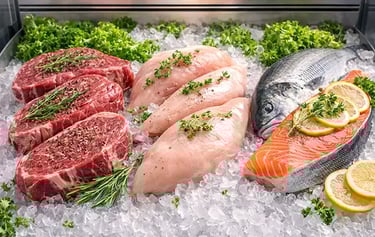
Buying fresh meat is not just about choosing what looks good—it’s about ensuring safety, quality, and taste. Whether you're shopping for chicken, beef, mutton, or fish, knowing how to identify freshness can protect your health and improve your cooking results.
In this guide, you’ll learn simple but powerful tips to confidently choose the freshest meat every time.
1. Check the Color Carefully
Color is one of the first indicators of freshness:
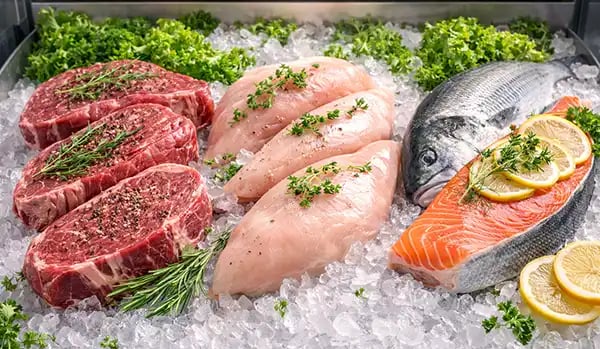
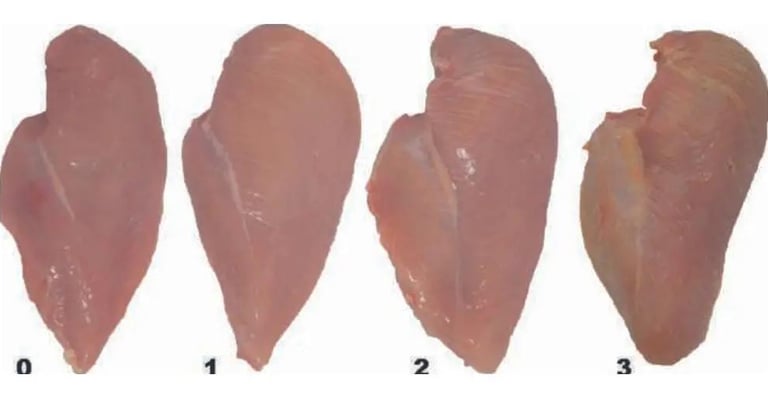
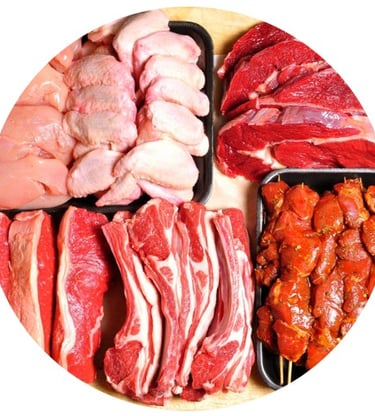
🐔 Chicken: Light pink with no grey spots
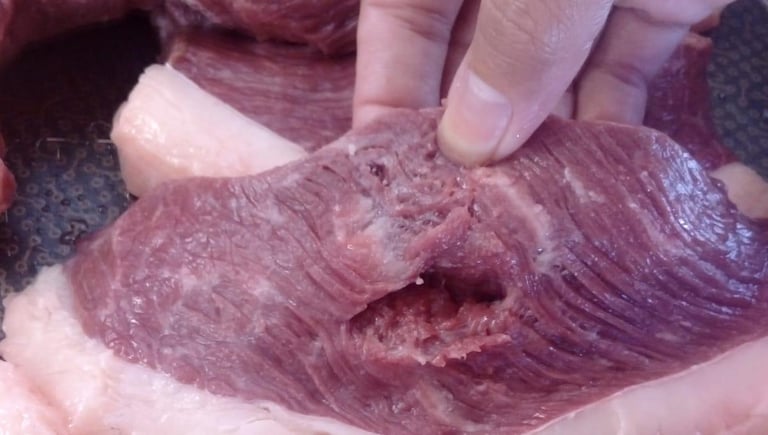
🥩 Beef: Bright red (not brown or dull)
🐑 Mutton: Deep red with a slightly firm look
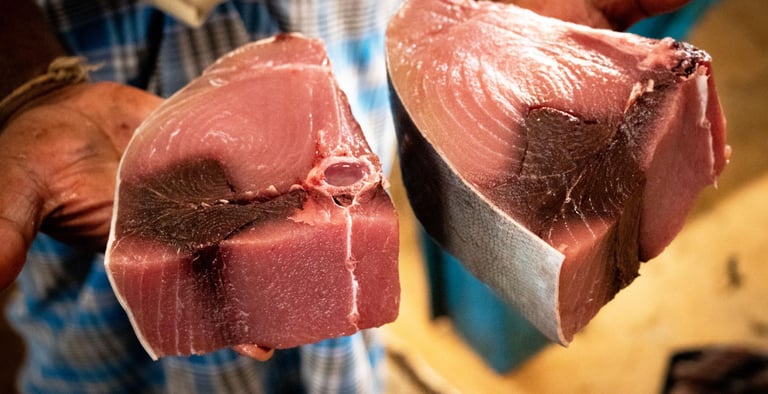
🐟 Fish: Shiny flesh, not faded
👉 Avoid meat that looks pale, greyish, or discolored—this is often a sign of spoilage.
🔎 Search the Blog
📂 Categories
🔥 Popular Articles

🥩 Fresh Products
📝 Recent Posts
🥩 Fresh Halal Meat & Seafood
We deliver fresh fish, chicken, mutton and beef to your door.
Follow Premium Fresh
2. Smell Before You Buy
Fresh meat should have a clean, mild smell.
❌ Strong, sour, or ammonia-like odor = Not fresh
✅ Neutral or slightly meaty smell = Good quality
👉 If it smells bad, don’t take the risk—even if it looks okay.
3. Feel the Texture
Texture tells you a lot about freshness:
✅ Firm and slightly moist (good sign)
❌ Slimy, sticky, or overly wet (bad sign)
👉 Fresh meat should spring back when touched, not stay pressed.

4. Check Storage Conditions
Always observe how the meat is stored:
Stored in a clean, cold environment
Properly covered or sealed
No exposure to flies or open air
👉 Meat should always be kept chilled or refrigerated—never at room temperature.
5. Look at the Packaging Date
If buying packaged meat:
Check the packaging date
Look for the expiry date
Avoid packs with excess liquid or damaged seals
👉 Fresher packaging = better quality and safety.
6. Observe the Juices (Not Too Much!)
Some moisture is normal, but:
❌ Too much liquid = meat is aging or poorly stored
❌ Dark, thick liquid = possible spoilage
✅ Minimal clear moisture = fresh
7. Extra Tips for Fish & Seafood
Fresh seafood requires extra attention:
👀 Clear, bright eyes (not cloudy)
🐟 Firm flesh that springs back
👃 Fresh ocean-like smell (not fishy or rotten)
🔴 Bright red gills



Common Mistakes to Avoid
Many buyers unknowingly make these mistakes:
❌ Choosing meat based only on price
❌ Ignoring smell and texture
❌ Buying from unhygienic places
❌ Not checking storage conditions
👉 Always prioritize quality over cost—your health depends on it.
Why Buying Fresh Meat Matters
Fresh meat isn’t just safer—it’s better in every way:
🍽️ Better taste and texture
💪 Higher nutritional value
🛡️ Lower risk of foodborne illness
At Premium Fresh, we focus on delivering clean, hygienic, and high-quality meat straight to your doorstep.
Final Thoughts
Choosing fresh meat doesn’t have to be difficult. Just remember:
✔ Check color
✔ Smell carefully
✔ Feel the texture
✔ Observe storage conditions
👉 When in doubt, don’t buy it.
Your safety and your family’s health always come first.
Premium Fresh
+94 77 33 28 28 4
Copyright © 2026 PremiumFresh.lk. All rights reserved.




Fresh Halal Meat Delivered to Your Doorstep
Hygienic, fresh and premium quality meat & seafood across Sri Lanka.
100% Halal
Same-Day Delivery
Freshness Guaranteed
Same Day Delivery
Within 3 Hours
100% Fresh and Halal






Get Fresh Deals and Offers
______________________________________________________________________
Get weekly offers on fresh meat & seafoods
_____________________________________________________________________________________________________________________________________________________
Contact info
______________________________________________________________________
Colombo, SriLanka