How to Store Fresh Meat in the Refrigerator Properly | Meat Storage Guide
Learn how to store fresh meat properly in the refrigerator to keep it safe, fresh, and flavorful. Discover expert tips for meat storage, temperature control, and food safety.
FOOD STORAGE TIPS
Abdur Rahman
2/17/20264 min read
How to Store Fresh Meat in the Refrigerator Properly
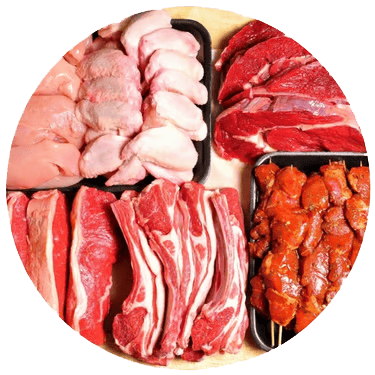
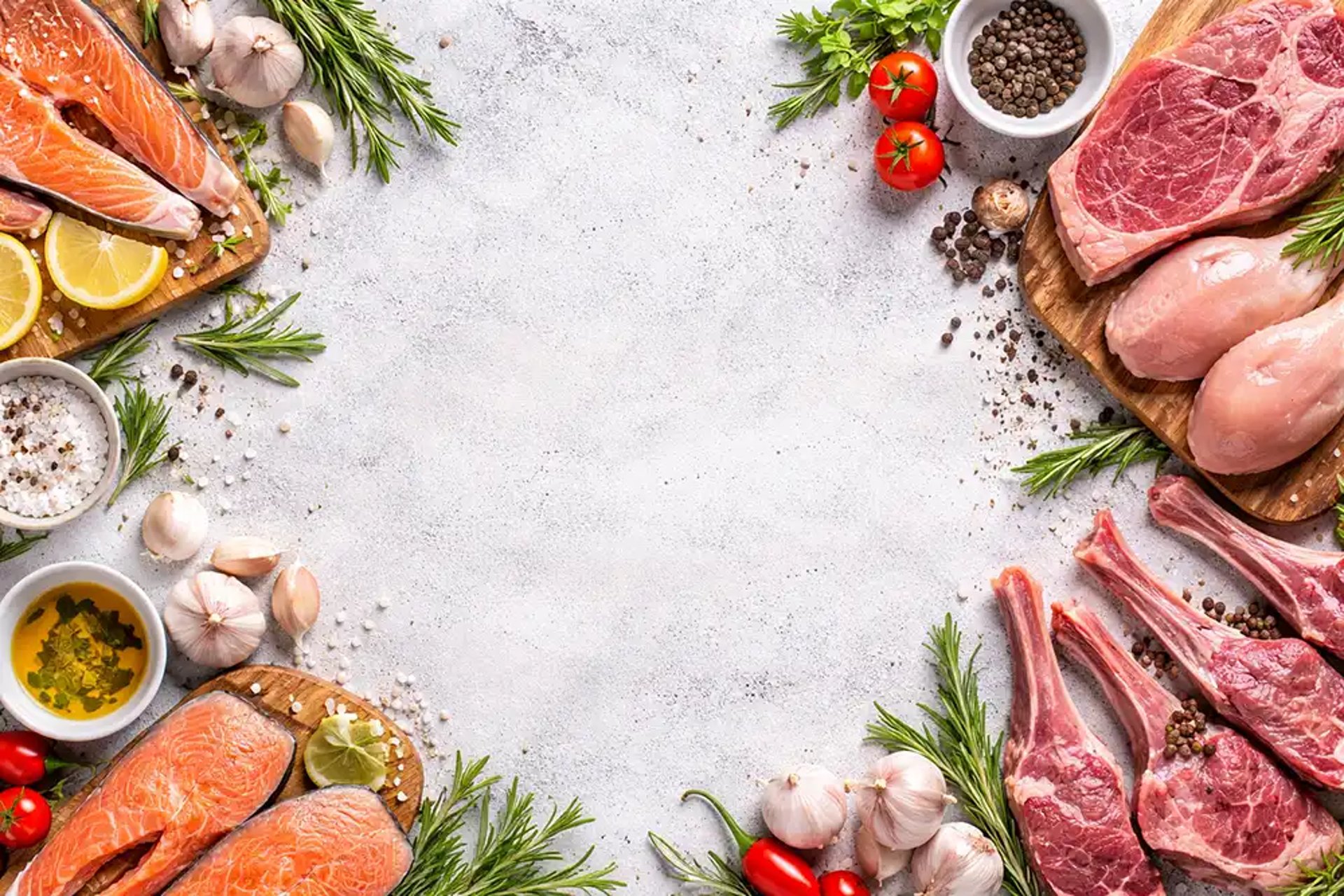
Fresh meat is one of the most nutritious ingredients you can add to your meals. However, to maintain its quality, flavor, and safety, proper storage is extremely important. Many people unknowingly store meat incorrectly, which can lead to bacteria growth, food waste, and unpleasant odors in the refrigerator.
Learning how to store fresh meat correctly helps preserve its freshness, taste, and nutritional value, while also protecting your family from foodborne illnesses.
In this guide, we’ll explain the best ways to store fresh meat in your refrigerator, including expert tips that professional kitchens and food safety specialists recommend.
🔎 Search the Blog
📂 Categories
🔥 Popular Articles

🥩 Fresh Products
📝 Recent Posts
🥩 Fresh Halal Meat & Seafood
We deliver fresh fish, chicken, mutton and beef to your door.
Follow Premium Fresh
8. Keep the Refrigerator Clean
A clean refrigerator plays a major role in food safety.
Regularly clean:
• Refrigerator shelves
• Storage drawers
• Meat containers
• Spills and drips
Cleaning once a week helps prevent bacteria buildup and unpleasant odors.
9. Signs That Meat Has Spoiled
Even when stored properly, meat can eventually spoil. Always check for these warning signs before cooking:
⚠ Sour or unpleasant smell
⚠ Sticky or slimy texture
⚠ Grey or green discoloration
⚠ Excess liquid in packaging
If you notice any of these signs, do not consume the meat.
Final Thoughts
Properly storing fresh meat in the refrigerator is essential for maintaining food safety, flavor, and nutrition. Simple habits such as maintaining the correct refrigerator temperature, using airtight packaging, and storing meat in the right location can make a big difference.
By following these best practices, you can ensure your meat stays fresh, safe, and ready to cook, while also reducing food waste and protecting your family’s health.
Choosing high-quality fresh meat from trusted suppliers also helps ensure better storage results and superior taste in your meals.
2. Store Meat in the Coldest Part of the Fridge
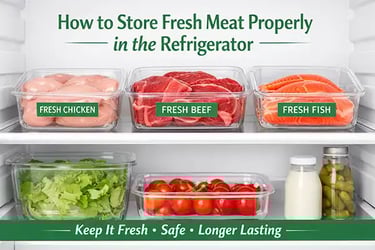
Not all areas of your refrigerator have the same temperature. The coldest area is usually the bottom shelf, especially near the back.
Best place to store fresh meat:
✔ Bottom shelf of the refrigerator
✔ Back section where temperature is most stable
✔ Separate from ready-to-eat foods
This helps prevent juices from dripping onto other foods.
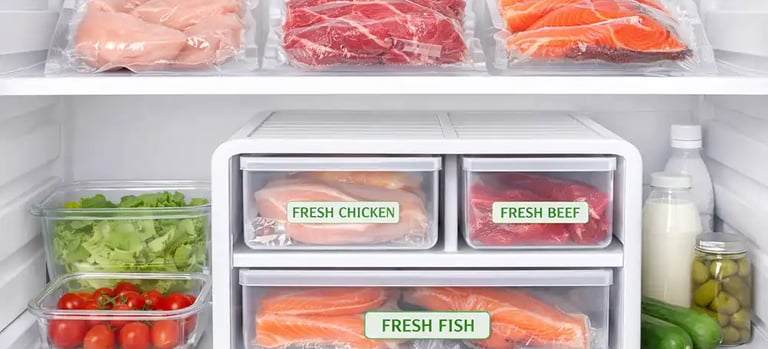
3. Use Airtight Containers or Sealed Packaging
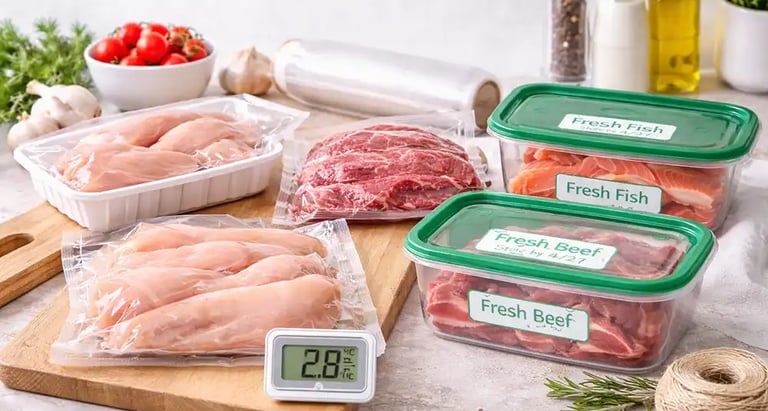
Proper packaging is essential to keep meat fresh and prevent contamination.
Best storage methods include:
• Airtight containers
• Vacuum-sealed bags
• Leak-proof food storage bags
• Original packaging wrapped with additional plastic wrap
Good packaging helps:
Prevent exposure to air
Reduce odor in the refrigerator
Maintain moisture in the meat
4. Separate Raw Meat from Other Foods
Raw meat can contain bacteria that may contaminate other foods if stored improperly.
To prevent cross-contamination:
✔ Store meat on separate shelves
✔ Use separate containers
✔ Keep meat away from vegetables and cooked foods
This is especially important if you store chicken, beef, mutton, or seafood together in the refrigerator.
5. Store Meat for the Recommended Time Only
Even when refrigerated properly, fresh meat should not be stored for too long.
General refrigeration guidelines:
Chicken: 1–2 days
Beef: 3–5 days
Mutton/Lamb: 3–5 days
Fresh Fish: 1–2 days
If you do not plan to cook the meat within this timeframe, freezing is the best option.
6. Label and Organize Your Meat
One simple habit that helps reduce food waste is labeling your meat with the storage date.
You can write on the package:
• Purchase date
• Storage date
• Expiry or cooking deadline
This helps you use older meat first and keep your refrigerator organized.
7. Avoid Washing Raw Meat Before Storage
Many people believe washing raw meat before refrigeration is necessary, but it can actually spread bacteria around your kitchen.
Food safety experts recommend:
✔ Do not wash meat before storing
✔ Cook meat thoroughly instead
✔ Wash hands and surfaces after handling raw meat
This keeps your kitchen safer and more hygienic.
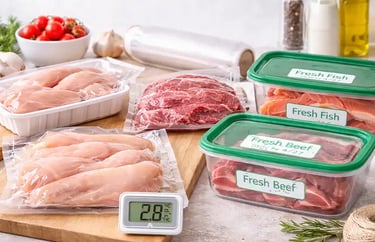

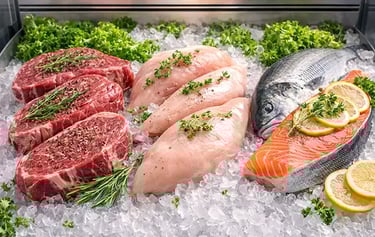
1. Keep Your Refrigerator at the Right Temperature
The first step to proper meat storage is maintaining the correct refrigerator temperature. The recommended refrigerator temperature is:
0°C – 4°C (32°F – 40°F)
At this temperature range:
Bacteria growth slows significantly
Meat stays fresh longer
Food safety risks are reduced
Tip: Use a refrigerator thermometer to ensure the temperature remains stable.
Premium Fresh
+94 77 33 28 28 4
Copyright © 2026 PremiumFresh.lk. All rights reserved.




Fresh Halal Meat Delivered to Your Doorstep
Hygienic, fresh and premium quality meat & seafood across Sri Lanka.
100% Halal
Same-Day Delivery
Freshness Guaranteed
Same Day Delivery
Within 3 Hours
100% Fresh and Halal






Get Fresh Deals and Offers
______________________________________________________________________
Get weekly offers on fresh meat & seafoods
_____________________________________________________________________________________________________________________________________________________
Contact info
______________________________________________________________________
Colombo, SriLanka