Is Red Meat Healthy? Benefits and Risks of Beef and Mutton Explained
Discover the truth about red meat. Learn the health benefits, risks, and smart ways to enjoy beef and mutton in a balanced diet.
HEALTHY EATING
Abdur Rahman
5/5/20264 min read


Is Red Meat Healthy? The Truth About Beef and Mutton
Understanding the Benefits, Risks, and Smart Ways to Enjoy Red Meat
Red meat has always been a central part of many traditional diets, especially in households that enjoy rich, flavorful meals. From a hearty beef curry to a slow-cooked mutton dish, these foods are often associated with comfort, strength, and nourishment. But in recent years, red meat has also become one of the most debated topics in nutrition.
Some people consider it essential for a healthy diet, while others worry about its long-term effects. So, what’s the truth? Is red meat good for you, or should it be avoided? The answer isn’t as simple as yes or no—it depends on how much you eat, the quality of the meat, and how it’s prepared.
What Makes Red Meat Nutritionally Valuable?
Red meat, including beef and mutton, is packed with essential nutrients that the body needs to function properly. It is one of the richest natural sources of high-quality protein, which helps build and repair muscles, support immune function, and maintain overall strength.
It also contains important vitamins and minerals such as iron, zinc, and vitamin B12. Iron from red meat—often referred to as heme iron—is more easily absorbed by the body compared to plant-based sources. This makes red meat especially beneficial for individuals who are at risk of iron deficiency.
Vitamin B12, which is naturally found in animal products, plays a crucial role in nerve function and red blood cell production. Without enough of it, people can experience fatigue and weakness. For many, red meat becomes an efficient way to meet these nutritional needs.
The Health Concerns: What You Should Know
Despite its benefits, red meat has been linked to certain health concerns when consumed in excess or prepared improperly. Organizations like the World Health Organization have highlighted potential risks associated with high consumption of processed and heavily cooked red meats.
One of the main concerns is the saturated fat content found in some cuts of beef and mutton. Diets high in saturated fat may contribute to heart-related issues if not balanced with other healthy foods. Additionally, cooking methods such as deep frying or charring meat at very high temperatures can produce compounds that may negatively impact health over time.
However, it’s important to understand that these risks are often associated with excessive consumption and poor dietary balance—not moderate, mindful eating.
🔎 Search the Blog
📂 Categories
🔥 Popular Articles


🥩 Fresh Products
📝 Recent Posts
🥩 Fresh Halal Meat & Seafood
We deliver fresh fish, chicken, mutton and beef to your door.
Follow Premium Fresh
Balance Is the Key to Healthy Eating
Red meat doesn’t have to be eliminated to maintain a healthy lifestyle. Instead, it should be consumed in moderation and as part of a balanced diet. Combining red meat with vegetables, whole grains, and healthy fats creates a more nutritious and satisfying meal.
Portion control plays a major role here. Eating large quantities of red meat frequently can increase health risks, but enjoying it occasionally in reasonable portions allows you to benefit from its nutrients without overdoing it.
Choosing lean cuts and trimming visible fat can also make a significant difference. Leaner meat provides the same protein and nutrients with less saturated fat.
Cooking Methods That Make a Difference
How you cook red meat can be just as important as how much you eat. Healthier cooking methods help preserve nutrients while reducing unnecessary fats.
Grilling, baking, or slow cooking are often better options compared to deep frying. Using moderate heat instead of extremely high temperatures can help avoid the formation of harmful compounds. Adding natural spices, herbs, and marinades not only enhances flavor but can also support healthier cooking.
When prepared correctly, red meat can remain both delicious and nutritious.
Quality Matters More Than You Think
Not all meat is created equal. The source and quality of beef and mutton play a huge role in determining their health impact. Fresh, properly handled meat from reliable sources is always a better choice than processed or low-quality alternatives.
Fresh meat retains more nutrients, has better texture, and reduces the risk of contamination. Supporting trusted suppliers ensures that the meat you consume meets safety and hygiene standards.
So, Is Red Meat Healthy?
The truth is that red meat can absolutely be part of a healthy diet when consumed wisely. It offers valuable nutrients that are difficult to replace, but like many foods, it should be enjoyed in moderation.
Instead of focusing on extremes—either eating too much or avoiding it completely—it’s better to aim for balance. By choosing quality meat, controlling portions, and using healthy cooking methods, you can enjoy beef and mutton without compromising your well-being.
Making Smarter Choices for Everyday Meals
Understanding your food is the first step toward healthier living. When you make informed choices about what you eat and how you prepare it, you gain control over your diet and overall health.
Red meat doesn’t need to be feared—it needs to be respected. With the right approach, it can remain a flavorful and beneficial part of your meals.

Premium Fresh
+94 77 33 28 28 4
Copyright © 2026 PremiumFresh.lk. All rights reserved.




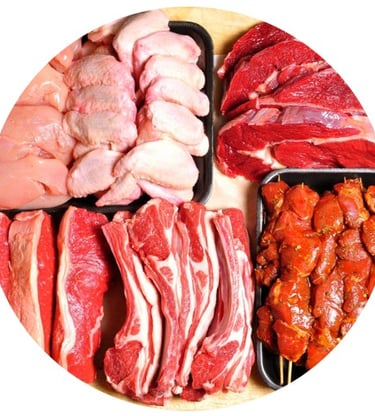
Fresh Halal Meat Delivered to Your Doorstep
Hygienic, fresh and premium quality meat & seafood across Sri Lanka.
100% Halal
Same-Day Delivery
Freshness Guaranteed
Same Day Delivery
Within 3 Hours
100% Fresh and Halal






Get Fresh Deals and Offers
______________________________________________________________________
Get weekly offers on fresh meat & seafoods
_____________________________________________________________________________________________________________________________________________________
Contact info
______________________________________________________________________
Colombo, SriLanka