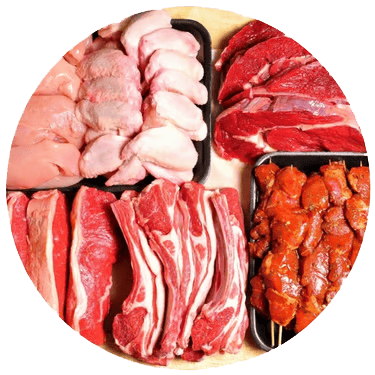

Signs That Meat Has Gone Bad: How to Identify Spoiled Meat Safely
Learn the most common signs that meat has gone bad. Discover how to identify spoiled chicken, beef, lamb, and fish, plus expert food safety and storage tips.
FOOD STORAGE TIPS
Abdur Rahman
6/26/20266 min read


Signs That Meat Has Gone Bad
How to Identify Spoiled Meat and Keep Your Family Safe
Fresh meat is an essential part of many healthy and delicious meals. Whether you're preparing chicken curry, grilled beef, lamb dishes, or family dinners, the quality and freshness of your meat play a major role in both taste and food safety.
However, many people have experienced that moment of uncertainty when opening the refrigerator and wondering, "Is this meat still safe to eat?" Knowing how to recognize the signs of spoiled meat is an important skill that can help protect your family from foodborne illnesses while preventing unnecessary food waste.
Spoiled meat doesn't always look dramatically different from fresh meat at first glance. In some cases, subtle changes in smell, texture, color, or packaging can indicate that the meat is no longer safe to consume. Understanding these warning signs can help you make informed decisions and avoid potential health risks.
In this guide, we'll explore the most common signs that meat has gone bad, how to store meat properly, and what you can do to maximize freshness and food safety at home.
Why Meat Spoils
Before understanding how to identify spoiled meat, it's helpful to know why meat goes bad in the first place.
Fresh meat naturally contains moisture and nutrients, creating an environment where bacteria can grow if proper storage conditions are not maintained. Exposure to warm temperatures, air, improper packaging, or extended storage periods can accelerate spoilage.
While refrigeration slows bacterial growth, it does not stop it completely. Over time, microorganisms multiply and begin breaking down the proteins and fats within the meat. This process causes changes in smell, appearance, texture, and overall quality.
The key is recognizing these changes before the meat reaches your plate.
The Smell Test: One of the Strongest Warning Signs
One of the easiest and most reliable ways to identify spoiled meat is by its smell.
Fresh meat typically has a mild scent or almost no noticeable odor at all. When meat begins to spoil, however, it develops an unpleasant smell that becomes increasingly difficult to ignore.
Spoiled chicken may produce a sour or ammonia-like odor. Beef can develop a strong rancid smell, while fish often produces a sharp, overly fishy scent that differs significantly from the mild smell of fresh seafood.
If the odor seems unusually strong, sour, rotten, or unpleasant, it's usually a clear indication that the meat should be discarded.
A simple rule applies here: if the smell makes you hesitate, it's better not to risk consuming it.
Changes in Color Can Be a Warning Sign
Many consumers rely on color when judging meat freshness, but color alone doesn't always tell the full story.
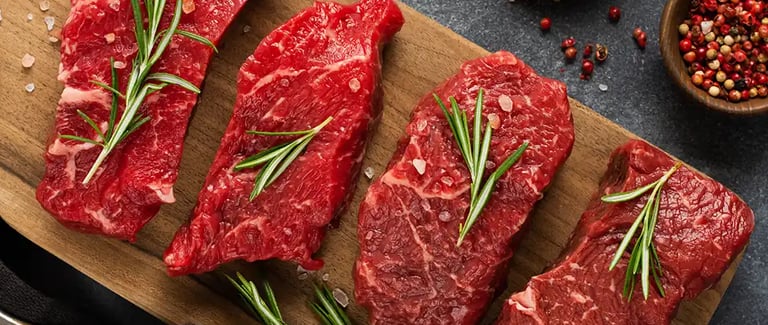
Fresh chicken generally appears pink with slight variations depending on the cut. Fresh beef is often bright red, while lamb typically displays a rich reddish-pink color.
As meat ages, natural color changes may occur due to oxygen exposure. This doesn't always mean the meat has spoiled. For example, beef may darken slightly while remaining safe.
However, certain color changes should raise concerns. Gray, green, brown, or iridescent patches can indicate bacterial activity or spoilage. Fish that appears dull, discolored, or loses its natural shine may also be past its prime.
When unusual color changes are accompanied by bad odors or texture changes, the meat should not be consumed.
🔎 Search the Blog
📂 Categories
🔥 Popular Articles


🥩 Fresh Products
📝 Recent Posts
🥩 Fresh Halal Meat & Seafood
We deliver fresh fish, chicken, mutton and beef to your door.
Follow Premium Fresh
Pay Attention to Texture
Texture is another important clue when evaluating meat freshness. Fresh meat should feel firm and slightly moist but never excessively sticky. Spoiled meat often develops a slimy, sticky, or tacky surface. This occurs when bacteria multiply and create a film on the meat's exterior.
Chicken is particularly prone to developing a slippery texture when it begins to spoil. Fish may become mushy instead of firm and springy. If touching the meat leaves an unusual residue on your fingers or feels slimy even after rinsing, it is generally safest to discard it.
Packaging Problems You Should Never Ignore
Many people overlook the importance of examining meat packaging.
If packaged meat appears swollen, bloated, leaking, or damaged, it could indicate bacterial growth producing gases inside the package. Vacuum-sealed products should maintain a tight seal. If the package appears inflated or compromised, avoid consuming the contents.
Similarly, excessive liquid buildup, unusual discoloration within the packaging, or broken seals may suggest that the product has been improperly stored or has exceeded its safe shelf life. Checking packaging before purchase and before use can help prevent food safety issues.
Understanding Expiration Dates
Dates on meat packaging provide useful guidance, but they should not be your only decision-making factor.
"Use By" dates generally indicate the manufacturer's recommendation for peak safety and quality. "Best Before" dates often refer more to quality than safety.
Even if a product is technically within its date range, improper storage can still cause spoilage. Likewise, properly frozen meat may remain safe beyond printed dates when stored correctly.
Always combine date information with visual inspection, smell, texture, and storage history before deciding whether meat is safe to consume.
Common Signs of Spoiled Chicken
Chicken is one of the most frequently consumed meats, making it especially important to recognize spoilage signs.
Fresh chicken should have a clean appearance, mild smell, and firm texture.
Warning signs include:
Sour or ammonia-like odor
Sticky or slimy surface
Gray or green discoloration
Excessive liquid buildup
Swollen packaging
Because poultry can carry harmful bacteria, it's especially important to avoid taking chances with questionable chicken.
Common Signs of Spoiled Beef and Lamb
Fresh beef and lamb typically have rich, natural colors and firm textures. Potential spoilage indicators include unpleasant odors, sticky surfaces, unusual discoloration, and mold growth.
A slight darkening due to oxygen exposure isn't always cause for concern, but strong odors and sliminess usually indicate spoilage. Always inspect multiple factors rather than relying on appearance alone.
Common Signs of Spoiled Fish
Fish tends to spoil faster than many other meats, making freshness especially important. Fresh fish should smell clean and ocean-like rather than intensely fishy.
The flesh should remain firm and spring back when touched. The eyes should be clear and bright, and the skin should appear shiny. Fish that smells overly strong, feels mushy, develops slime, or appears dull should generally be avoided.
The Risks of Eating Spoiled Meat
Consuming spoiled meat can lead to foodborne illnesses that range from mild discomfort to serious health complications.
Symptoms may include stomach pain, nausea, vomiting, diarrhea, fever, and dehydration. Children, older adults, pregnant women, and individuals with weakened immune systems face greater risks from food poisoning.
Because many harmful bacteria cannot be seen with the naked eye, prevention is always the safest approach. When in doubt, throw it out.
Proper Meat Storage for Maximum Freshness
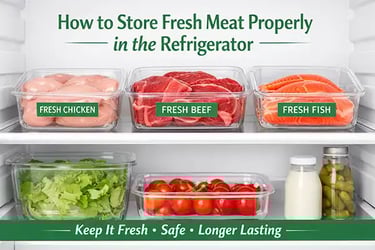
Preventing spoilage begins with proper storage. Fresh meat should be refrigerated promptly after purchase and stored at appropriate temperatures. Avoid leaving meat at room temperature for extended periods.
If you do not plan to cook meat within a few days, freezing can significantly extend its shelf life. Use airtight packaging to reduce exposure to air and moisture, and always practice good hygiene when handling raw meat.
Proper storage protects both quality and safety.
Why Buying Fresh, High-Quality Meat Matters
The journey to a safe and delicious meal starts with purchasing high-quality meat from trusted suppliers.
Fresh meat not only lasts longer when stored properly but also provides better flavor, texture, and nutritional value. Reliable suppliers follow strict handling and storage procedures that help maintain product quality from farm to table.
At Premium Fresh, we understand that freshness isn't just about taste—it's about confidence. That's why we focus on providing carefully handled, high-quality meats that help families prepare safe, delicious meals every day.
Final Thoughts
Knowing the signs that meat has gone bad is one of the most important food safety skills every household should learn. Changes in smell, color, texture, packaging, and overall appearance can all provide valuable clues about meat freshness. While some changes may be harmless, strong odors, sliminess, unusual discoloration, and damaged packaging should never be ignored.
By learning to recognize these warning signs and following proper storage practices, you can protect your family, reduce food waste, and enjoy safer, higher-quality meals.
When it comes to food safety, caution is always the best ingredient.

Premium Fresh
+94 77 33 28 28 4
Copyright © 2026 PremiumFresh.lk. All rights reserved.




Fresh Halal Meat Delivered to Your Doorstep
Hygienic, fresh and premium quality meat & seafood across Sri Lanka.
100% Halal
Same-Day Delivery
Freshness Guaranteed
Same Day Delivery
Within 3 Hours
100% Fresh and Halal






Get Fresh Deals and Offers
______________________________________________________________________
Get weekly offers on fresh meat & seafoods
_____________________________________________________________________________________________________________________________________________________
Contact info
______________________________________________________________________
Colombo, SriLanka