
Fresh Fish vs Frozen Fish – Which One Is Better for Taste, Health & Value?
Discover the real difference between fresh fish and frozen fish. Learn which option is healthier, tastier, safer, and better for your family meals and seafood cooking.
SEAFOOD GUIDES
Abdur Rahman
5/23/20265 min read
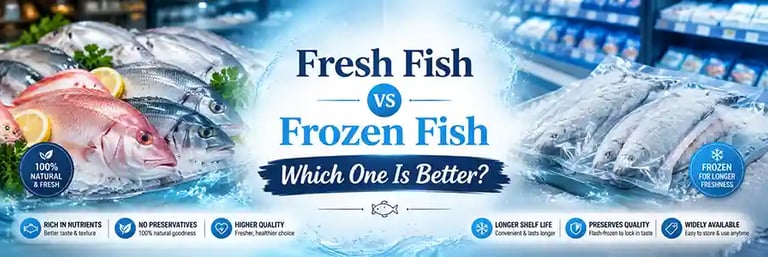
Fresh Fish vs Frozen Fish – Which One Is Better?
Fresh Fish or Frozen Fish: What Smart Buyers Really Need to Know
When shopping for seafood, many people automatically assume that fresh fish is always better than frozen fish. The word “fresh” sounds healthier, tastier, and more natural. But is that actually true?
The reality is far more interesting. In today’s seafood industry, frozen fish can often be just as nutritious, delicious, and safe as fresh fish — and in some situations, it may even be the better choice. Understanding the difference can help families save money, reduce food waste, and enjoy higher-quality meals at home.
Whether you’re preparing grilled tuna, spicy fish curry, crispy fried fish, or a healthy seafood dinner, choosing the right type of fish matters. This guide explains everything you need to know about fresh fish versus frozen fish, including taste, nutrition, storage, safety, convenience, and how to identify high-quality seafood before buying.
Understanding the Difference Between Fresh and Frozen Fish
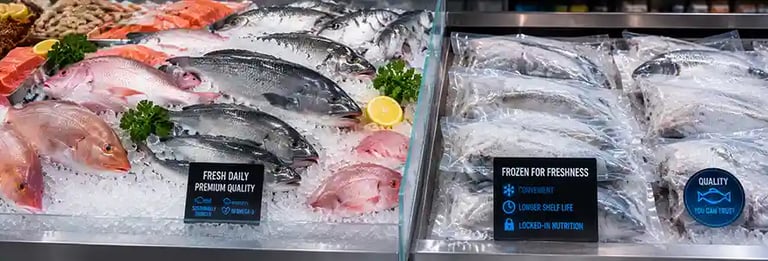
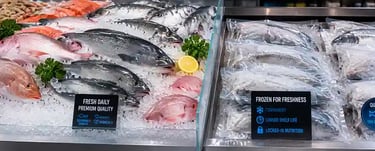
Fresh fish is typically sold shortly after being caught and kept chilled on ice during transportation and display. Many customers prefer fresh fish because of its soft texture, natural smell, and traditional market appeal.
Frozen fish, on the other hand, is rapidly frozen soon after being caught. Modern freezing technology locks in freshness by preserving the fish at very low temperatures. In many cases, seafood is frozen directly on fishing boats within hours of being harvested from the ocean.
This means that some “fresh” fish in stores may actually be older than frozen fish because it spent several days traveling before reaching the customer.
The real quality difference often depends more on handling, storage, and freshness timing than whether the fish is frozen or not.
Which Fish Tastes Better?
Taste is one of the biggest reasons people choose fresh seafood. Fresh fish usually has a softer texture, delicate moisture, and a slightly sweeter natural flavor when cooked properly.
However, high-quality frozen fish can taste nearly identical to fresh fish if it has been frozen correctly and thawed safely. Many restaurants and professional chefs use frozen seafood because it offers reliable quality throughout the year.
The biggest problem happens when fish is frozen poorly or thawed incorrectly. Ice crystals can damage the texture, making the fish dry or mushy. That’s why proper storage is extremely important.
For dishes like fish curry, fish cutlets, spicy stir-fries, soups, and grilled seafood, frozen fish often performs very well. For delicate dishes such as sushi or sashimi, premium fresh fish is usually preferred.
Is Frozen Fish Healthy?
Many people believe frozen seafood loses nutrients, but that is largely a myth.
Fish frozen immediately after catching can retain most of its protein, omega-3 fatty acids, vitamins, and minerals. In fact, some frozen fish may preserve nutrients better than fish sitting in display counters for several days.
Seafood is one of the best sources of:
Omega-3 fatty acids
High-quality protein
Vitamin D
Selenium
Iodine
Heart-healthy nutrients
Both fresh and frozen fish can support a healthy diet when handled properly. The most important factor is freshness and safe storage.
🔎 Search the Blog
📂 Categories
🔥 Popular Articles


🥩 Fresh Products
📝 Recent Posts
🥩 Fresh Halal Meat & Seafood
We deliver fresh fish, chicken, mutton and beef to your door.
Follow Premium Fresh
The Convenience Advantage of Frozen Fish
One major advantage of frozen fish is convenience.
Fresh fish usually needs to be cooked quickly, often within one or two days. Frozen fish can stay safely stored for weeks or months, making meal planning easier for busy households.
Frozen seafood also reduces waste. Many families buy fresh fish with good intentions but end up throwing it away because they don’t cook it in time.
With frozen fish, you can:
Store seafood longer
Use portions when needed
Reduce food waste
Save shopping time
Keep seafood available anytime
This is especially useful for modern households that want quick and healthy meal options.
How to Identify High-Quality Fresh Fish
Buying fresh fish requires careful attention because seafood spoils faster than many other foods.
High-quality fresh fish should have:
Bright and Clear Eyes
Fresh whole fish usually has shiny, clear eyes. Cloudy or sunken eyes can indicate aging fish.
Clean Ocean Smell
Fresh seafood should smell mild and clean like the sea. A strong sour or ammonia smell is a warning sign.
Firm Flesh
Press the fish gently. Fresh fish should spring back instead of leaving a dent.
Bright Skin and Gills
The skin should look moist and shiny, while the gills should appear bright red or pink.
When buying seafood online, choose trusted suppliers that maintain proper cold-chain delivery systems.
How to Choose Good Frozen Fish
Not all frozen seafood is the same. Quality matters greatly.
Look for frozen fish that:
Has tightly sealed packaging
Contains minimal ice crystals
Shows no freezer burn
Maintains natural color
Has clear labeling and expiry dates
Avoid packages with excessive frost or damaged wrapping because they may indicate repeated thawing and refreezing.
Vacuum-sealed seafood is often a better choice because it protects texture and flavor.
Which Option Is More Affordable?
Frozen fish is often more budget-friendly because it has a longer shelf life and lower transportation waste. Seasonal seafood can also be frozen and sold throughout the year at more stable prices.
Fresh fish prices can fluctuate depending on weather conditions, fishing supply, and transportation costs.
Families looking for affordable seafood options may find frozen fish more practical for regular cooking.
Safety Matters: Proper Storage Is Essential
Whether you buy fresh or frozen fish, proper handling is critical.
Fresh fish should always remain refrigerated and cooked quickly. Frozen fish must stay frozen until ready for use.
Safe seafood handling tips include:
Keep fish cold during transportation
Never leave seafood at room temperature too long
Thaw frozen fish in the refrigerator
Avoid refreezing thawed fish
Cook seafood thoroughly
Food safety is especially important in warm climates where seafood can spoil rapidly.
Which One Is Better for Cooking?
The answer depends on your cooking style and lifestyle.
Fresh fish is excellent for:
Special seafood meals
Delicate recipes
Premium dining experiences
Immediate cooking
Frozen fish is ideal for:
Everyday cooking
Busy households
Meal preparation
Budget-friendly shopping
Long-term storage
Many experienced home cooks keep both options available depending on their weekly needs.
The Final Verdict
Fresh fish and frozen fish both have their own advantages. Fresh seafood offers excellent texture and traditional appeal, while frozen seafood provides convenience, affordability, and reliable quality.
The smartest choice is not simply “fresh vs frozen.” It’s choosing high-quality seafood from trusted suppliers who handle fish properly from catch to delivery.
If the seafood is stored correctly, transported safely, and cooked properly, both fresh and frozen fish can deliver delicious, nutritious meals for your family.
In the end, freshness, hygiene, and quality handling matter far more than whether the fish was frozen.


Premium Fresh
+94 77 33 28 28 4
Copyright © 2026 PremiumFresh.lk. All rights reserved.




Fresh Halal Meat Delivered to Your Doorstep
Hygienic, fresh and premium quality meat & seafood across Sri Lanka.
100% Halal
Same-Day Delivery
Freshness Guaranteed
Same Day Delivery
Within 3 Hours
100% Fresh and Halal






Get Fresh Deals and Offers
______________________________________________________________________
Get weekly offers on fresh meat & seafoods
_____________________________________________________________________________________________________________________________________________________
Contact info
______________________________________________________________________
Colombo, SriLanka