How to Defrost Frozen Meat Safely | Best Thawing Tips for Fresh & Healthy Cooking
Learn how to defrost frozen meat safely with expert kitchen tips and proper thawing methods. Discover the safest ways to thaw chicken, beef, seafood, and more while keeping meat fresh, juicy, and bacteria-free.
KITCHEN TIPS
Abdur Rahman
5/20/20266 min read
How to Defrost Frozen Meat Safely
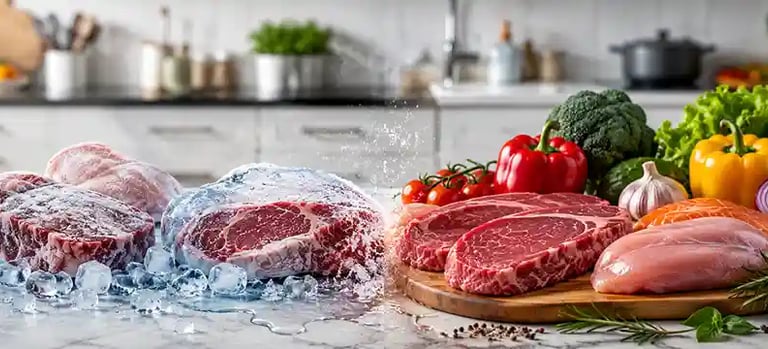
Freezing meat is one of the best ways to preserve freshness, reduce food waste, and make meal preparation easier. Whether it’s chicken, beef, mutton, seafood, or processed meat products, keeping meat frozen helps households and businesses store food for longer periods without compromising quality. However, many people overlook one critical step before cooking — defrosting meat safely.
Improper thawing methods can quickly turn fresh frozen meat into a dangerous source of bacteria. Leaving meat on the kitchen counter for hours or using unsafe thawing techniques may expose your family to harmful foodborne illnesses. At the same time, incorrect defrosting can also ruin the texture, flavor, and juiciness of the meat.
Understanding the correct way to thaw frozen meat is essential for both food safety and cooking quality. In this guide, you’ll learn the safest methods to defrost meat, common mistakes to avoid, expert kitchen tips, and how to preserve the freshness and nutrition of your meat from freezer to plate.
Why Safe Defrosting Matters More Than Most People Think
Many people believe that once meat is frozen, bacteria are completely eliminated. In reality, freezing only slows bacterial growth — it does not destroy harmful microorganisms. When frozen meat begins to thaw at unsafe temperatures, bacteria can quickly multiply on the surface while the inside remains frozen.
This is especially risky for poultry, seafood, minced meat, and marinated products. Unsafe thawing can lead to contamination from bacteria such as Salmonella and E. coli, which may cause serious stomach infections and food poisoning.
Apart from safety concerns, improper thawing also affects cooking results. Meat that is defrosted incorrectly often becomes dry, rubbery, watery, or unevenly cooked. Safe thawing helps maintain the original texture, moisture, tenderness, and flavor of the meat, giving you a better cooking experience and healthier meals.
The Refrigerator Method – The Safest Way to Defrost Meat
The refrigerator method is widely considered the safest and most recommended technique for thawing frozen meat. Although it takes more time, it protects the meat from entering the “danger zone” temperature where bacteria grow rapidly.
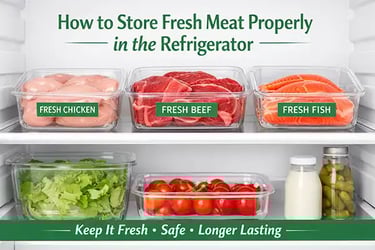
To thaw meat in the refrigerator, place the frozen package on a tray or plate to catch any liquid drips. Keep it on the lower shelf of the fridge to prevent cross-contamination with other foods. The cold temperature allows the meat to thaw gradually and evenly.
Small portions like chicken breasts or fish fillets may thaw overnight, while larger cuts such as whole chickens or large beef roasts can take up to 24 hours or more.
One of the biggest advantages of refrigerator thawing is convenience. Once thawed, the meat can safely remain refrigerated for an additional day or two before cooking. This makes meal planning easier and reduces kitchen stress.
Cold Water Defrosting – Faster but Still Safe
Sometimes you may need to prepare a meal quickly and cannot wait overnight for refrigerator thawing. In this situation, the cold water method is a safe alternative if done correctly.
Place the frozen meat in a leak-proof plastic bag to prevent water from entering and contaminating the meat. Submerge the sealed package in a bowl or sink filled with cold water. Change the water every 30 minutes to keep the temperature consistently cold.
This method defrosts meat much faster than refrigeration. Small cuts may thaw within an hour, while larger portions can take several hours depending on thickness and weight.
However, meat thawed using cold water should be cooked immediately after thawing. Unlike refrigerator thawing, it should not be stored again before cooking because bacteria may begin developing faster.
🔎 Search the Blog
📂 Categories
🔥 Popular Articles


🥩 Fresh Products
📝 Recent Posts
🥩 Fresh Halal Meat & Seafood
We deliver fresh fish, chicken, mutton and beef to your door.
Follow Premium Fresh
Using the Microwave – Convenient but Requires Care
Microwave thawing is the fastest method, making it useful for busy households or last-minute cooking. Most modern microwaves include a defrost setting designed specifically for frozen foods.
When using a microwave, remove packaging materials that are not microwave-safe and place the meat in a microwave-safe container. Use the correct weight settings if available.
The challenge with microwave thawing is uneven heating. Some areas of the meat may begin cooking while others remain frozen. This can negatively affect texture and taste if not handled properly.
For this reason, meat thawed in the microwave should always be cooked immediately after defrosting. Never return microwave-thawed meat to the refrigerator without cooking it first.
Common Mistakes People Make When Defrosting Meat
One of the most common and dangerous mistakes is leaving frozen meat on the kitchen counter at room temperature. While the inside remains frozen, the outer layers quickly reach unsafe temperatures where bacteria thrive.
Another mistake is using warm or hot water to speed up thawing. Although it seems faster, warm water encourages rapid bacterial growth and can partially cook the meat unevenly.
Refreezing thawed meat without understanding safety guidelines is another issue. Meat thawed safely in the refrigerator can usually be refrozen, although quality may slightly decrease. However, meat thawed using warm conditions or left outside too long should never be refrozen.
Some people also forget to clean surfaces, utensils, and hands after handling raw thawing meat. Cross-contamination is a major source of kitchen-related food poisoning.
How Long Different Types of Meat Take to Defrost
Different meats thaw at different speeds depending on size, thickness, and fat content. Thin seafood fillets thaw much faster than dense cuts of beef or whole poultry.
Chicken breasts may require 12 to 24 hours in the refrigerator, while large whole chickens can take two full days. Beef steaks generally thaw overnight, but larger roasts may need 24 to 48 hours.
Seafood usually defrosts more quickly because of its lighter texture. Shrimp, fish fillets, and small seafood portions often thaw within several hours in the refrigerator or under cold water.
Planning ahead is the best way to avoid rushing the process and using unsafe shortcuts.
Tips to Keep Meat Fresh During Defrosting
Proper storage before freezing plays a huge role in maintaining quality during thawing. Always freeze meat in airtight packaging to prevent freezer burn and moisture loss.
Label frozen packages with dates so you can use older items first. Organizing your freezer helps avoid storing meat for excessively long periods.
When thawing, keep meat separated from ready-to-eat foods such as vegetables, fruits, dairy products, and cooked meals. This prevents bacteria from spreading through leaking juices.
Cooking thawed meat to the correct internal temperature is equally important. Proper cooking ensures harmful bacteria are destroyed completely before serving.
Can You Cook Meat Without Defrosting?
In some situations, yes. Certain meats can be cooked directly from frozen, especially smaller cuts like burgers, chicken fillets, sausages, and seafood portions. However, cooking times will usually increase by around 50%.
Large frozen cuts are not ideal for direct cooking because the outside may overcook while the inside remains undercooked. For the best flavor and texture, thawing before cooking is still recommended whenever possible.
The Best Way to Handle Frozen Meat at Home
Safe food handling begins long before cooking starts. Buying high-quality fresh meat, storing it properly, freezing it correctly, and thawing it safely all contribute to healthier meals and better taste.
Families today rely heavily on frozen foods for convenience, but convenience should never come at the expense of safety. By following proper thawing methods, you can protect your household from foodborne illness while preserving the natural freshness and quality of your meat.
Whether you are preparing a quick weekday dinner or a special family meal, taking a little extra time to thaw meat properly makes a significant difference in both safety and flavor.
Final Thoughts
Defrosting meat safely is one of the most important yet overlooked parts of food preparation. Simple mistakes can increase health risks and damage the quality of your meals. Thankfully, safe thawing is easy once you understand the correct methods.
The refrigerator method remains the safest option for maintaining freshness and preventing bacterial growth. Cold water thawing offers a quicker alternative, while microwave thawing is useful for emergencies when immediate cooking is possible.
Avoid risky shortcuts like thawing meat on countertops or using hot water. A little patience and proper handling can help ensure every meal is safer, tastier, and more enjoyable for your family.

Premium Fresh
+94 77 33 28 28 4
Copyright © 2026 PremiumFresh.lk. All rights reserved.




Fresh Halal Meat Delivered to Your Doorstep
Hygienic, fresh and premium quality meat & seafood across Sri Lanka.
100% Halal
Same-Day Delivery
Freshness Guaranteed
Same Day Delivery
Within 3 Hours
100% Fresh and Halal






Get Fresh Deals and Offers
______________________________________________________________________
Get weekly offers on fresh meat & seafoods
_____________________________________________________________________________________________________________________________________________________
Contact info
______________________________________________________________________
Colombo, SriLanka